
Humanitarian teams supporting farmers in crisis situations must make careful decisions about how best to protect livelihoods and support recovery. A recent SEADS Practitioner Course in Nairobi has helped strengthen this capacity by equipping practitioners with practical tools and shared standards for responding to crop-related crises.
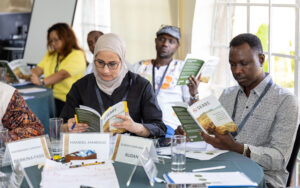
In February 2026, the International Committee of the Red Cross (ICRC) hosted a three-day SEADS Practitioner Course in Karen, Nairobi. The training brought together 22 participants (16 men and 6 women) from ICRC’s Economic Security (EcoSec) programs, alongside colleagues from the Kenya Red Cross, creating a valuable opportunity to exchange experiences from different operational contexts.
Building practical skills
Delivered by ICRC’s SEADS trainers Cecilia Benda and Munyaradzi Machila, the course focused on strengthening participants’ ability to assess agricultural crises, identify appropriate responses and design programs that support farmers affected by conflict, climate shocks and other emergencies.
Over three days, participants worked through the full cycle of crop-related crisis response. Sessions explored how crops and farming systems are affected in humanitarian contexts, how to assess farmers’ needs, how to design appropriate responses, and how to monitor the impact of interventions once programs are underway.
Participants highlighted the value of practical decision-making tools introduced during the training, including the RAIT Matrix, which helps teams analyze a crisis context and identify the most appropriate support options for farmers and their livelihoods.
The diversity of operational experience among participants helped enrich discussions, with staff sharing examples from programs in different crisis environments. Trainers noted that this exchange of practical experience helped bring the SEADS approach to life and demonstrated how the tools can be applied in real operational settings.
“It was inspiring to see enthusiastic colleagues from 12 ICRC delegations across Africa, Near and Middle East, Asia and Europe come together and rediscover the value of the SEADS handbook — a resource many had for years but had not yet been shown how to apply it in practice,” said the ICRC trainers.
From training to practice
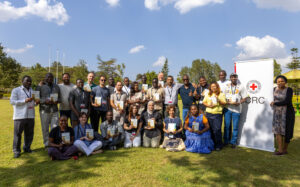
Feedback from the course was very positive. Evaluation responses showed that almost all participants felt confident or very confident in describing and applying SEADS principles, and all participants reported confidence in identifying appropriate crop-related responses following the training.
Participants also emphasized the importance of sharing the training more widely across ICRC teams: “Very useful – I recommend cascading this training to other colleagues who did not participate, including field officers.”
Participants also noted the importance of follow-up discussions to help ensure that the tools and approaches introduced during the training are applied effectively in operational programs. A follow-up session is planned in the coming months to support teams as they begin putting these approaches into practice.
ICRC discussions are also underway about organizing additional SEADS trainings in other regions, including Francophone Africa, to reach more practitioners working on food security programs.